
Bourbon Cocktail Renaissance History Explained: How Kentucky Reclaimed the Bar Cart in 2026
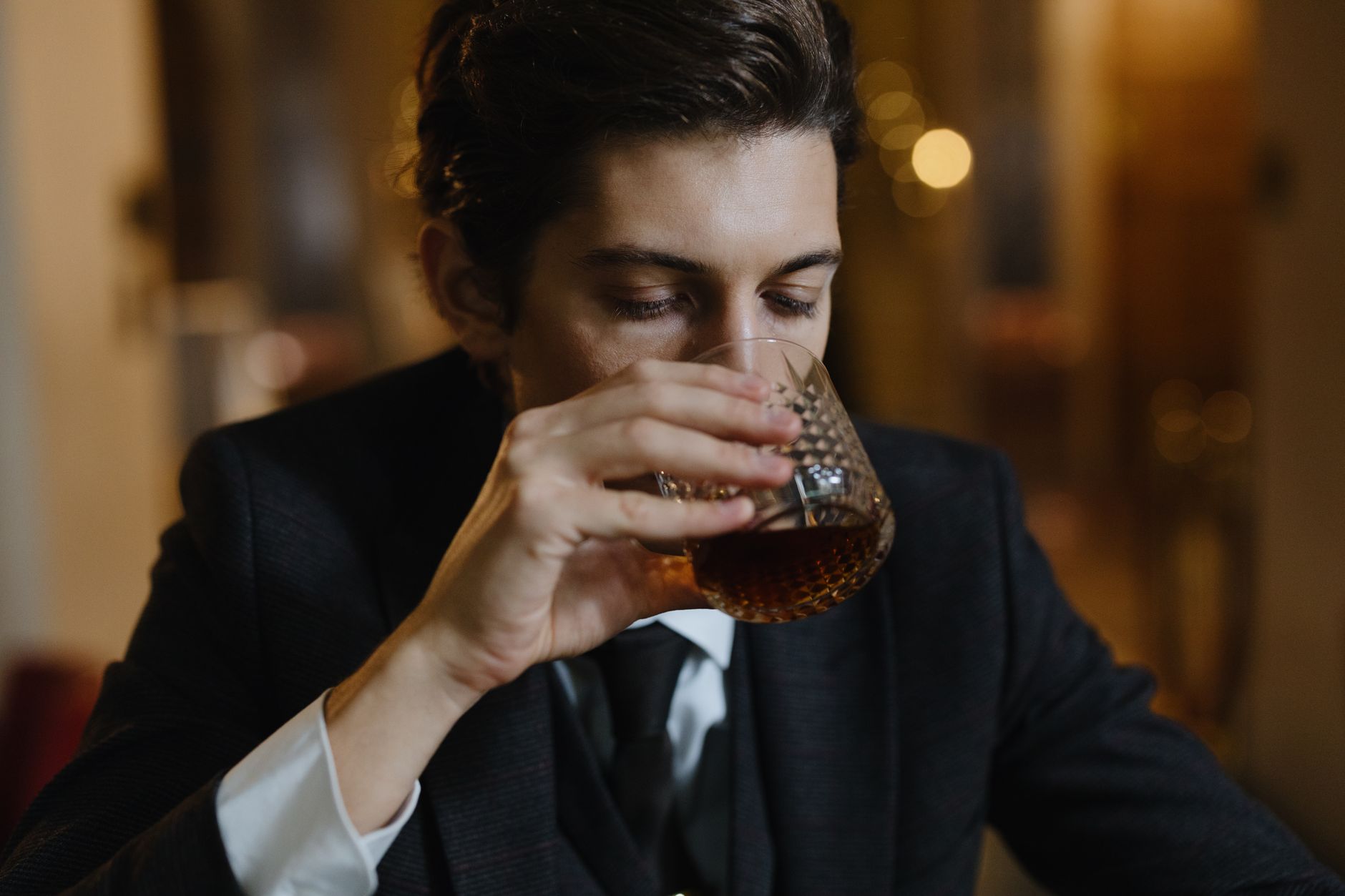
Walk into any Louisville bar worth its salt rim this summer, and you’ll notice something striking: the cocktail menu reads like a history lesson that got tired of sitting in the corner. Bartenders aren’t just pouring Old Fashioneds—they’re resurrecting pre-Prohibition builds, debating which 1890s recipe book got the Sazerac right, and arguing over whether a proper Whiskey Sour deserves a red wine float. This isn’t nostalgia for nostalgia’s sake. The bourbon cocktail renaissance history explained through what’s happening in 2026 reveals something deeper: Kentucky finally stopped letting coasters tell its story.
The timing couldn’t be more relevant. As “10 Popular Bourbon Cocktails to Master in 2026 – Blind Barrels” recently highlighted, home bartenders are moving beyond the basics and demanding historical context with their craft. They want to know why the Brown Derby disappeared for forty years, why the Boulevardier swapped gin for bourbon, and why their grandfather’s Manhattan tasted different than theirs. This guide connects those dots—from the dark ages of 1970s sour mix to the laboratory-precision revival happening right now.
The Dark Ages: What Killed Bourbon Cocktails in the First Place
To understand the renaissance, you have to understand the collapse. Between 1960 and 1995, bourbon cocktails didn’t evolve—they devolved. The culprit wasn’t Prohibition (that actually preserved recipes in underground clubs); it was convenience culture.
Vodka’s neutral profile made it the perfect blank canvas for mass-produced mixers. By 1975, vodka outsold bourbon in America for the first time. Bartenders stopped learning builds and started memorizing button combinations on soda guns. The Old Fashioned became a muddled fruit salad. The Manhattan, when ordered at all, arrived from a premade bottle.
Kentucky distilleries didn’t help their own cause. Most focused on volume and export, treating cocktails as an afterthought. Beam and Wild Turkey sold plenty of bottles, but the culture around mixing them atrophied. A 1982 Louisville Courier-Journal article lamented that local bars served “more bourbon-and-Cokes than all other bourbon cocktails combined”—a statistic that would have horrified 1890s Louisville bartenders who once published hundreds of original recipes.
The nadir came in the 1990s. “Craft cocktail” wasn’t a term. “Mixologist” sounded like a disease. If you wanted a proper Whiskey Sour, you made it at home or you flew to New Orleans.
The Spark: Three Kentucky Moments That Ignited the Revival
The bourbon cocktail renaissance didn’t emerge from a single bar or personality. It grew from three specific Kentucky moments that converged between 2006 and 2015.
First: The 2006 Kentucky Bourbon Trail redesign. The Kentucky Distillers’ Association stopped treating visitors like passive consumers and started treating them like participants. Distilleries added tasting rooms with cocktail programs. Woodford Reserve hired a brand ambassador specifically to teach bartenders historical builds. Suddenly, the people making bourbon were talking to the people mixing it.
Second: The 2010 opening of Proof on Main in Louisville. Chef Michael Paley and bar director Todd Brisbee built a program that treated bourbon cocktails with the same rigor as the food menu. They sourced antique glassware, researched pre-Prohibition recipes, and—crucially—trained staff to explain the history behind each drink. Proof on Main proved that Kentucky could compete with New York and San Francisco’s cocktail scenes not by imitating them, but by excavating its own deeper history.
Third: The 2014 publication of The Kentucky Bourbon Cocktail Book by Joy Perrine and Susan Reigler. Unlike glossy national cocktail books, this was a deeply local project—recipes tested in Louisville bars, stories collected from retired bartenders, and historical context that treated Kentucky as the cocktail’s birthplace rather than a footnote. It sold 40,000 copies in two years and became required reading for bartenders across the South.
These three moments created infrastructure: educated consumers, trained bartenders, and documented history. The coasts had their cocktail renaissance earlier, but Kentucky’s was more rooted—less about innovation for innovation’s sake, more about recovery and reclamation.
The Laboratory Phase: How Science Rescued Forgotten Recipes
Here’s where the 2026 angle gets interesting. The current bourbon cocktail revival isn’t just about digging up old recipes; it’s about verifying them with techniques that didn’t exist in 2005.
Modern bartenders use centrifuges to clarify juices without heat degradation. They employ refractometers to measure sugar content in homemade syrups, ensuring consistency with historical specifications. Some Louisville bars now use liquid nitrogen to flash-chill glasses, achieving the “frosted” effect 1940s manuals described but modern freezers can’t replicate.
This matters for bourbon specifically because the spirit’s high proof and complex flavor profile make it unforgiving. A Manhattan with 2:1 bourbon-to-vermouth ratio works beautifully at 100 proof but falls apart at 80. Historical recipes assumed higher-proof base spirits because that’s what distilleries bottled before the 1960s. Modern “cask strength” releases have allowed bartenders to finally match those original proportions.
The Blind Barrels 2026 trend report noted this explicitly: home bartenders are investing in precision tools because they want to understand why a 1920s recipe specifies “two dashes” rather than “a splash.” That specificity was always the mark of serious cocktail culture; it just disappeared for fifty years.
Several Kentucky bars now offer “deconstruction” flights—serving a classic bourbon cocktail alongside its individual components, so drinkers can taste how vermouth softens the spirit’s edges or how orange bitters bridge the gap between sweet and woody notes. It’s education through experience, and it’s drawing tourists who previously only visited distilleries.
The 2026 Landscape: Where the Renaissance Lives Now
The bourbon cocktail renaissance history explained through current examples looks less like a museum and more like a living tradition. Here are four places you can see it happening:
-
Milkwood in Louisville runs a quarterly “Forgotten Kentucky” menu featuring drinks from defunct Louisville bars, researched through city archives and newspaper clippings from the 1890s.
-
The Bar at Willett in Bardstown employs a full-time “cocktail historian” who trains staff and develops recipes using Willett’s own vintage releases.
-
Home bartending communities on Reddit and Discord now share scanned pages from 1930s Bartender’s Guide editions, crowdsource translations of pre-1900 recipe notation, and debate whether a proper Seelbach should use original-recipe Peychaud’s or modern formulation.
-
Bourbon & Beyond festival (returning to Louisville this September) added a “Cocktail Archaeology” stage where historians and working bartenders collaborate on recreating extinct drinks.
The through-line? Access to information and ingredients that previous generations lacked. A bartender in 1995 couldn’t easily source proper rye whiskey for a historical Manhattan; now they have ten options. They couldn’t find a 1912 recipe book; now it’s digitized and searchable.
What This Means for Your Next Drink
Understanding the bourbon cocktail renaissance history explained above isn’t academic trivia—it changes how you order, mix, and appreciate what’s in your glass.
Three actionable takeaways:
-
Ask your bartender about provenance. A serious bourbon cocktail program should know why their Old Fashioned build differs from the one across the street. If they can’t explain their choices, they’re not participating in the renaissance—they’re coasting on it.
-
Invest in one historical recipe book. The Joy of Mixology by Gary Regan or David Wondrich’s Imbibe! provide context that modern recipe blogs strip away. Understanding the why makes the how more satisfying.
-
Experiment with proof. Try your favorite bourbon cocktail at cask strength, then at standard 80 proof. The difference illuminates why historical recipes specified proportions that seem odd today.
The Blind Barrels 2026 trend toward mastering popular bourbon cocktails works best when paired with this historical foundation. Anyone can follow a recipe; understanding whether that recipe is faithful to its origins or a modern adaptation lets you build with intention.
The bourbon cocktail renaissance isn’t a finished story. Every time a bartender in Bowling Green pulls a 1940s Bartender’s Guide from a flea market, every time a home mixer successfully clarifies a Milk Punch, every time a customer asks “why does this taste different than a standard Whiskey Sour?”—the revival continues. Kentucky spent too long letting its cocktail heritage gather dust. The cleanup is finally underway, and the results are worth raising a properly built glass to.